
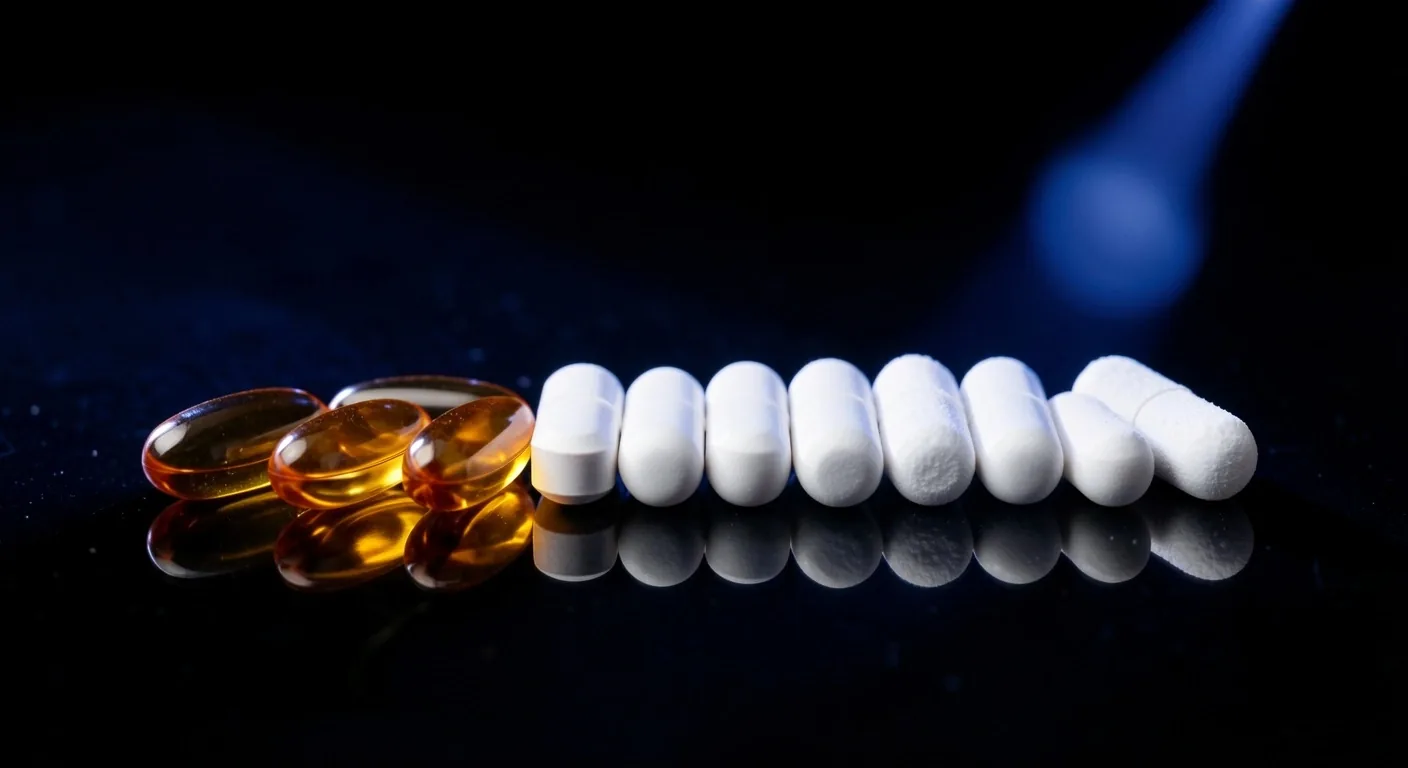
Vitamins & Minerals Guide for Men
Micronutrients drive thousands of biochemical reactions every second. For men who lead active lives, maintaining optimal levels is essential for peak daily performance. This guide covers the most critical vitamins and minerals for men, how each one functions, and how to ensure you are getting enough.
The Foundation of Men's Vitamin Supplements
A high-quality multivitamin works as an insurance policy against dietary gaps. Whole foods should always be the primary source of nutrition, but men's vitamin supplements provide a concentrated dose of the specific elements men need most. When daily meals fall short — whether from a busy schedule, travel, or limited variety — a well-formulated supplement helps fill the space between what you eat and what your body actually requires.
We look for formulas that prioritize high bioavailability, meaning the body can easily absorb and use the nutrients provided. A label may list impressive amounts of each vitamin, but if the form is cheap or poorly absorbed, much of it passes through unused. Bioavailable forms — like methylated B-vitamins, amino-acid-chelated minerals, and active vitamin D3 — tend to deliver more practical value per dose. This is the difference between taking something and actually getting benefit from it. Natural supplements for men work best when the nutrient form matches what the body can actually process.
Zinc and Magnesium: The Vital Duo
Zinc
Essential for immune function and protein synthesis. Zinc supports the body's ability to repair tissue after exercise and maintain the structural integrity of cells that line the respiratory and digestive tracts. For men who train regularly, even a mild shortfall can slow recovery and dull the immune response during periods of heavy exertion.
- › Immune resilience
- › Protein synthesis
- › Wound repair
Why Together
Together, these two minerals are indispensable for men's health support, particularly for men who engage in regular physical training. Magnesium regulates over 300 enzymatic reactions — including muscle contraction, nerve signaling, and energy production — while zinc handles the immune and repair side. They cover the two systems active men stress most: output and recovery.
Magnesium
Involved in over 300 enzymatic reactions, including muscle and nerve function. Magnesium helps muscles relax after contraction, supports steady nerve signaling, and participates in the cellular process that generates usable energy from food. Low magnesium often shows up as cramps, restless sleep, and a general sense of physical fatigue.
- › Muscle relaxation
- › Nerve signaling
- › Cellular energy
Vitamin D and Bone Density
Often called the sunshine vitamin, Vitamin D is essential for calcium absorption and maintaining bone strength. For men, it also plays a key role in muscle function and overall physical resilience. Without adequate Vitamin D, the body cannot effectively use the calcium from food or supplements, which means bone density and muscle performance both suffer regardless of how much calcium you consume.
Despite living in a tropical climate like Indonesia, many men still fall short on Vitamin D. Indoor workdays, early commutes, and sun-avoidance habits mean the skin produces less than expected. A simple, consistent supplement — typically vitamin D3 — is a practical choice for men who spend most daylight hours indoors. Energy and endurance supplements that include D3 help cover this gap without requiring a change in routine.

B-Vitamins for Energy Metabolism
The B-vitamin complex — including B12 and B6 — is responsible for converting the food you eat into cellular energy. These vitamins act as co-enzymes in the metabolic pathways that turn carbohydrates, fats, and proteins into the ATP that fuels every muscle contraction and nerve signal. Without sufficient B-vitamins, the body struggles to maintain the stamina required for a full day of work and exercise.
Signs of B-vitamin depletion include mid-afternoon energy crashes, brain fog, irritability, and a sense that recovery after exercise takes longer than it should. Men who eat a restricted diet, skip animal products, or train hard are more likely to run low on B12 in particular, because the body's stores are limited and dietary sources are concentrated in animal foods. The best natural supplements for men restore these levels with methylated or active forms that bypass conversion steps the body may already be struggling with.

Antioxidants and Cellular Health
Vitamins C and E, along with the mineral selenium, act as antioxidants that protect cells from the damage caused by oxidative stress. Oxidative stress is the normal byproduct of intense physical activity, environmental pollutants, and everyday metabolism — it cannot be avoided entirely, but its impact can be managed with a consistent supply of antioxidant nutrients.
For men who train hard or live in environments with higher pollution exposure, the body's demand for these nutrients rises. Vitamin C supports the body's connective tissue and helps recycle used vitamin E back into its active form. Vitamin E protects cell membranes from lipid damage. Selenium works alongside both as a cofactor for the body's internal antioxidant enzymes. Healthy lifestyle products that combine these three provide a layered defense that single-ingredient supplements cannot match.
- Water-soluble Vitamin C
- Fat-soluble Vitamin E
- Trace mineral Selenium
Iron, Oxygen Transport, and Electrolyte Balance
Oxygen Transport
While men require less iron than women, it remains a vital component of hemoglobin — the protein in red blood cells that transports oxygen to the muscles and brain. Low iron levels can result in persistent fatigue, pale skin, and a noticeable decrease in physical endurance during cardio or high-output activities. The body recycles iron efficiently, but blood loss, intense endurance training, or a diet low in iron-rich foods can still create a deficit over time.
The goal is balance. Too little iron leaves you tired; too much can build up in tissues and cause problems of its own. We discuss how to manage iron intake through a combination of diet — red meat, leafy greens, legumes — and, when appropriate, healthy lifestyle products that include a modest, easily absorbed form. Men should not supplement iron casually; it works best when paired with a clear reason and periodic awareness of how the body responds.
Hydration
Potassium and sodium maintain fluid balance and prevent muscle cramps during exertion. For men in the heat of Bali, managing electrolyte levels is a daily challenge. Proper hydration is about more than water alone — it is the mineral balance that lets that water move into cells where it is actually used.
Integrating Supplements into Your Diet
Understanding which vitamins to take is only half the work; knowing when and how to take them matters just as much. Some nutrients are fat-soluble and should be taken with meals that include a source of fa — a little olive oil, nuts, avocado, or eggs. Others are best absorbed on an empty stomach, ideally thirty minutes before breakfast, when the digestive system is clear and uptake is fastest.
Timing also interacts with training. B-vitamins and electrolytes support energy production and hydration around exercise, so taking them in the hours before or after a session makes practical sense. Magnesium, taken in the evening, supports muscle relaxation and sleep quality. Spreading intake across the day — rather than taking everything at once — reduces the chance of one mineral competing with another for absorption. Men's vitamin supplements deliver the most value when the routine is consistent and the timing matches what the body does with each nutrient.
Take the next step in understanding what your body needs
Popular products for men vary in formulation, dosage, and nutrient form. Knowing the difference helps you choose what fits your routine. Our related pages break down the details — from energy support to how we evaluate the supplements we recommend.
Questions about choosing vitamins and minerals for men?
Suplemen Pria — Natural capsules for strength and vitality. Informational content; supplements are not a substitute for a varied diet. Consult a qualified professional before making changes to your routine.